
In the fall of 2012, Chartbeat, the real-time analytics firm, shared a set of numbers with The Atlantic that should have changed how everyone reads a traffic report. Across the media sites on Chartbeat's network, 69 percent of social referrals arrived with no referrer attached - no Facebook, no Twitter, no site name in the log. Facebook, the platform publishers were rebuilding their newsrooms around, accounted for 20 percent. Twitter managed 6. The biggest social channel in the data wore no label.
Alexis Madrigal of The Atlantic gave the invisible pile its name in the piece he published on October 12, 2012: dark social. His explanation of it is the sentence I want pinned above every dashboard I have ever opened:
"Most of the time, someone Gchatted someone a link, or it came in on a big email distribution list, or your dad sent it to you."
No referrer, no record, no credit.
What "direct" is actually made of
Email strips referral data. Instant messages strip it. Apps strip some of it. Moving from a secure page to a non-secure one loses it. So when a visitor shows up carrying nothing, analytics does the only thing it can: it files the visit under "direct" or "typed/bookmarked," which quietly implies a person who knew your address by heart and came alone.
Chartbeat had already questioned that assumption before the name existed. It had begun splitting its no-referrer visitors into two kinds: people landing on a homepage or subject page, and people landing deep on an article page, who "were following some sort of link" because nobody types a deep article URL. At The Atlantic, that followed pile was "nearly always our top referral source." Day after day.
The follow-up numbers stayed disorienting. The next summer, The Atlantic's analytics director, Adam Felder, put dark social at about one-quarter of all referrals to the company's sites, and the follow-up piece worked the arithmetic further: once you stop trusting the typed/bookmarked catch-all, nearly half of The Atlantic's traffic was traditional and dark social combined. On Chartbeat's wider network, dark social ran 20 to 40 percent of external traffic to articles for most domains - and even after the biggest apps fixed their referrer plumbing, it still sat at a third.
The number I cannot shake is the first one. Sixty-nine percent of social referrals, invisible. Twenty percent, in the report. The dashboard makes the 20 look like the whole story, because the 69 is scattered across a thousand private inboxes and group chats that never report back.
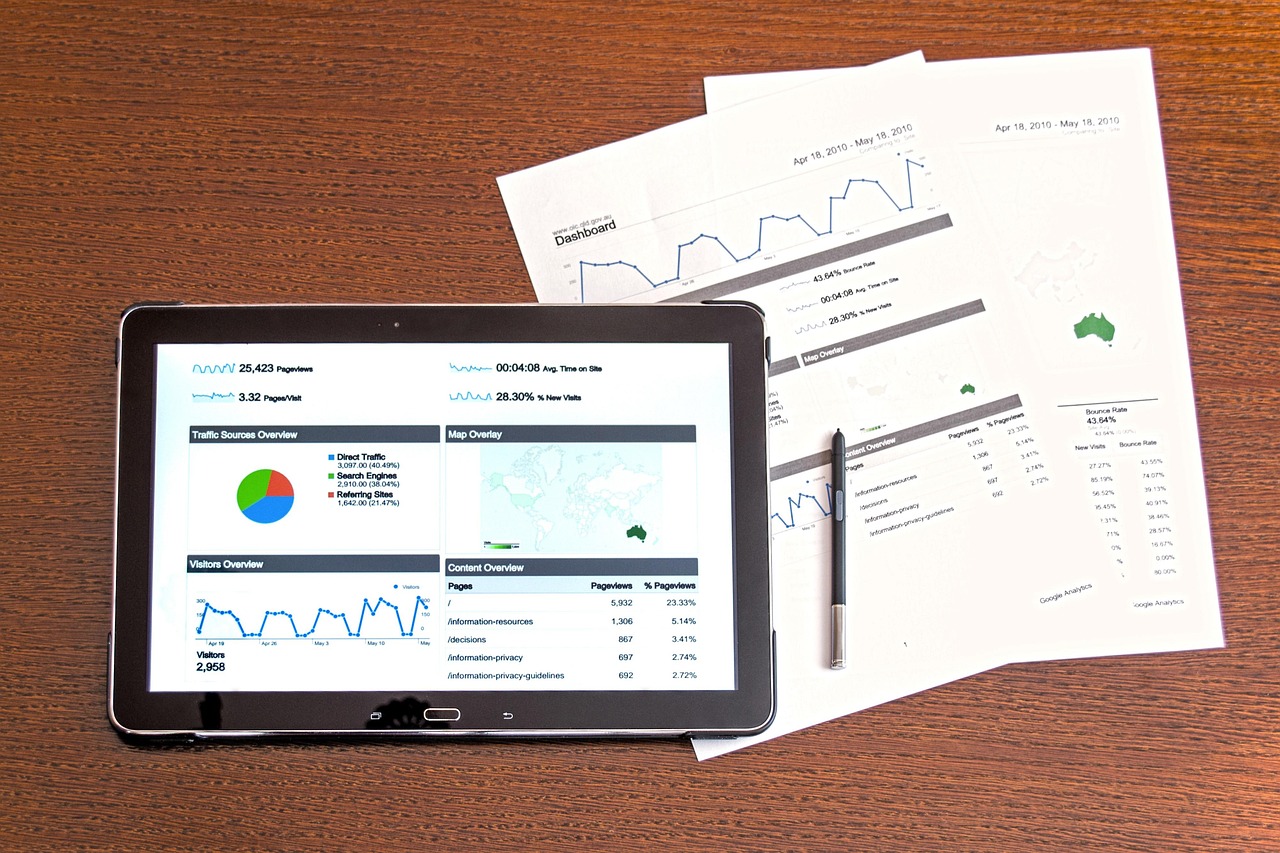
The objection worth taking seriously
The honest objection, which Chartbeat itself raised, is that part of the dark pile is plumbing error - referrer data dropped by apps that should have passed it along. When Chartbeat started reading the user-agent tags that mobile apps leave behind, the traffic attributed to Facebook's mobile app jumped as much as 40 percent, and a Facebook bug fix in late 2014 moved a visible slice of the dark pile back into the labeled column. Some of the darkness was mislabeled light all along.
Then Facebook went down. A full outage, midday on a Friday in August 2014, and Chartbeat read it as a natural experiment. Facebook referrals fell by almost 70 percent. Had the dark pile been Facebook traffic in disguise, it should have fallen in sympathy. It barely moved, sitting only about 11 percent above its low point - which bounds the disguised share at 16 percent at most. Chartbeat's own conclusion: strong evidence that 84 percent of dark social is something other than Facebook traffic in disguise.
Either way the objection lands on the same ground. A message app that swallows referrer data still began with a person sending a thing to a person. The web's oldest distribution system - people passing things to people they know - never stopped working. It just never sends an invoice.
The one line that arrives labeled
Here is why I care, running a leaderboard. The outbound links on Bid Spotlight - every tile, every "Visit site" button - carry no referrer suppression, under a strict-origin-when-cross-origin policy that keeps our domain in the referrer slot. A click off the board reaches the buyer's server labeled as ours. The paid introduction is the one audience event that arrives fully attributable.
Which sets the trap this article exists for. When the placement lapses, that labeled line thins toward zero, and last-click math concludes nothing happened. Meanwhile the second-order audience - the visitor who saw the spot, remembered the name, and pasted the URL into a group chat a week later - lands in the direct pile with no tag at all. The report will be wrong by exactly the size of the sharing that built you.
The referrer table is an honesty meter, not a value meter. It records where attribution was technically possible, not where the audience came from. Buy the traffic you can attribute, then watch the direct pile for the audience you cannot.