On January 22, 1984, Apple aired a 60-second ad during the Super Bowl in front of more than 90 million people. The airtime cost close to a million dollars. And the ad had technically aired once before, at 1 a.m. on a small station in Twin Falls, Idaho, a month earlier, so it would qualify for an award. Same film both times. One showing reached a few thousand night owls in Idaho; the other reached the largest crowd television could assemble that year. The ad didn't change. The position did.
Here's the part people forget. Apple's board reportedly hated the spot so much they tried to sell the airtime back, and the ad never ran nationally again. Yet we're still talking about it four decades later, usually as the greatest Super Bowl ad ever made. The position put it in front of 90 million people. The ad gave those 90 million something worth repeating at work the next morning. It needed both halves, and the space between those halves is the entire subject of this piece.
A crowd is not an audience
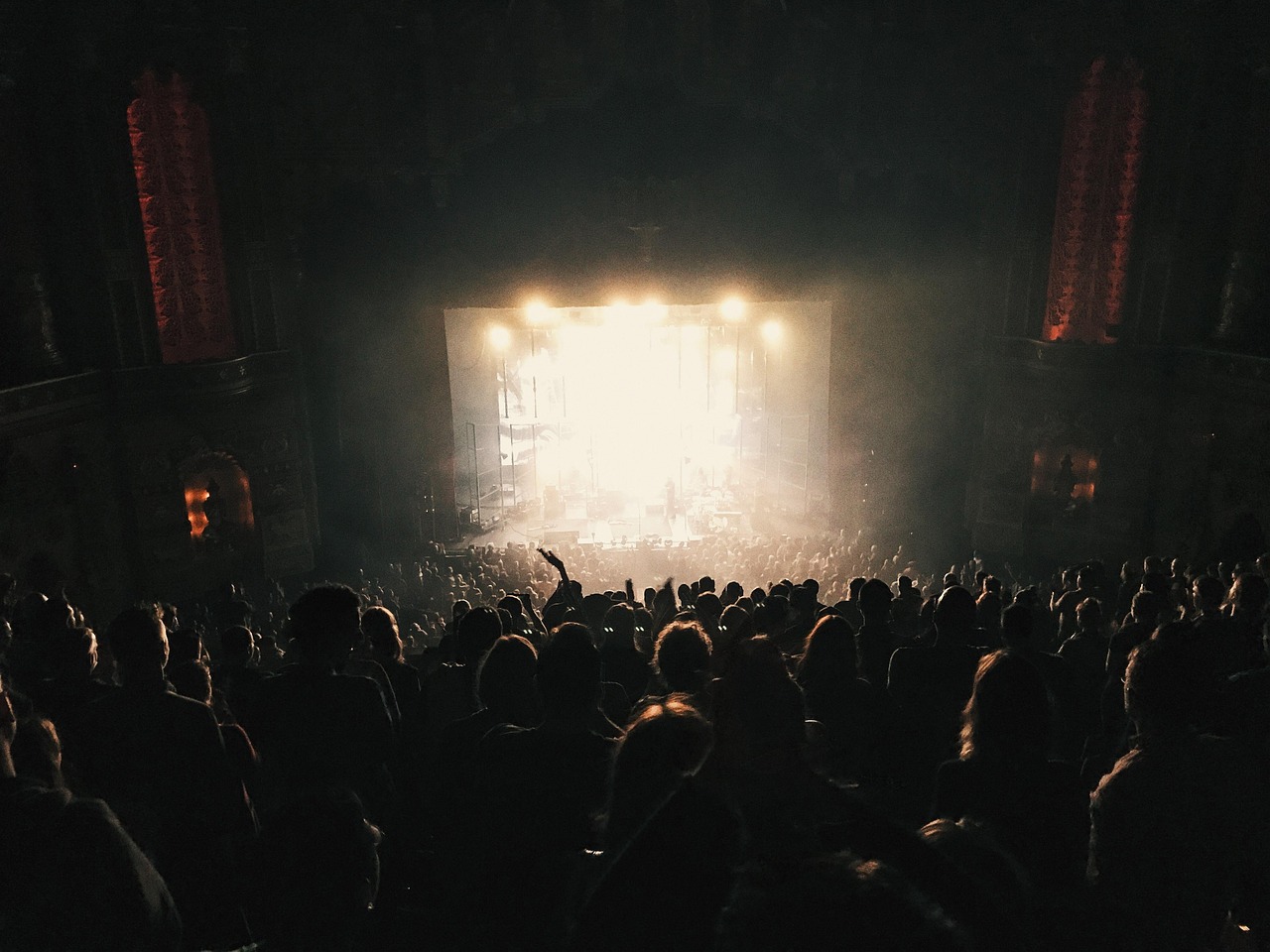
A crowd is borrowed attention. It looks at whatever is in front of it: the stage, the screen, the first result, the top of a list. An audience is owned attention. It comes back on its own, types your name tomorrow, recognizes you in somebody else's feed next week.
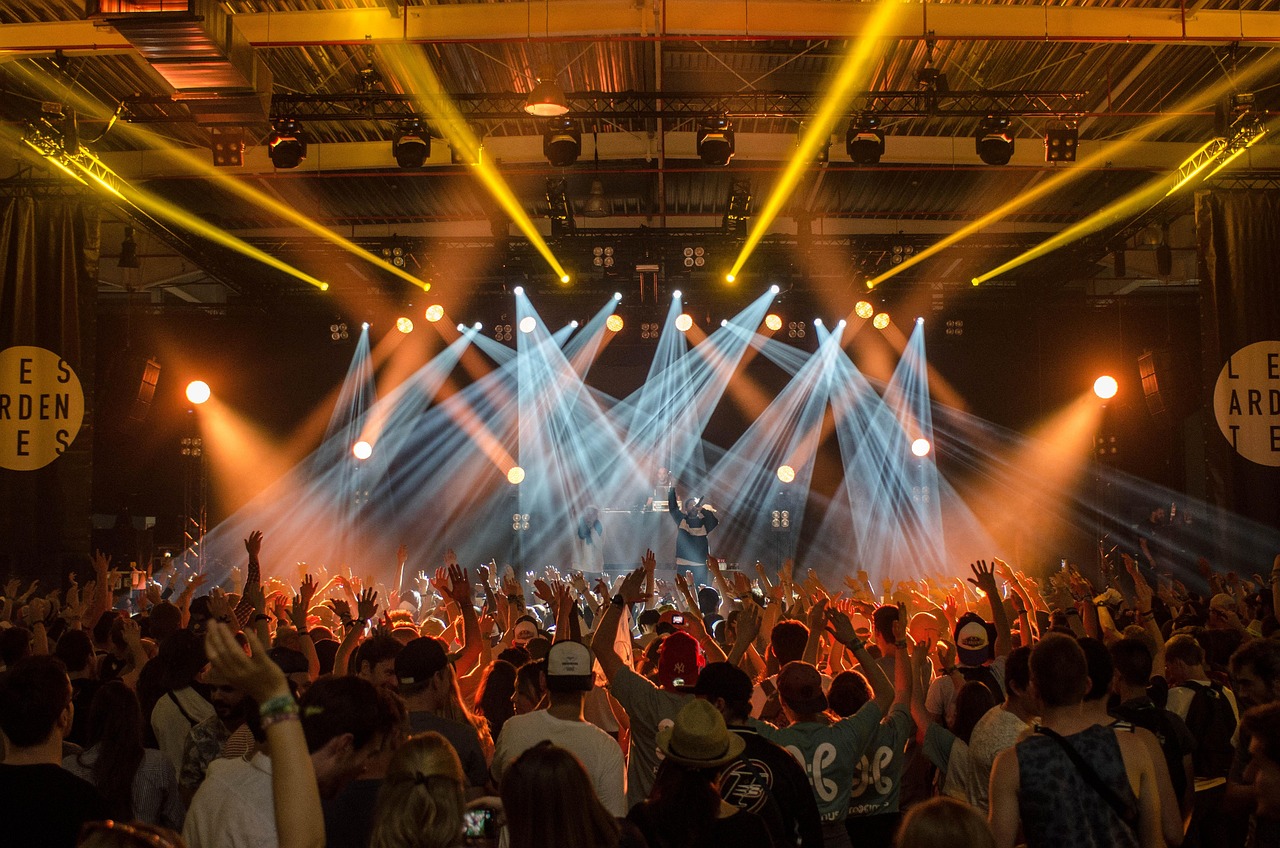
In analytics the two look identical. Ten thousand visitors is ten thousand visitors, whether they were placed in front of you or came looking for you. The spreadsheet cannot tell the difference, which is exactly why so many buyers of attention never notice they only bought one of the two.
Crowds do have behavior you can count on. One large Backlinko study of millions of Google results put the first organic result at about 27 percent of all clicks - position doing the work, not brand. Meanwhile the average display ad across the web has scraped along under half a percent click rate for as long as anyone has kept benchmarks. Same species, same hour of the day. Stand where the crowd is already looking and they look at you. Interrupt them and they swat.
What a bid actually buys
I run Bid Spotlight, a leaderboard where site owners bid real money for the top positions, so let me be honest about what a bid is: a crowd purchase. You pay to stand where people are already looking. The leaderboard cannot make a single person care about you. Nothing can. What it can do is put you in front of a particular kind of crowd, and it happens to be a better one than most advertising gets.
Someone scrolling through a ranked list is in browsing mode - closer to the crowd at a food festival than to someone typing a query into a search box. They didn't come looking for you. But they came explicitly open to being surprised. Search traffic punishes you for being unknown; a browsing crowd gives you a hearing. And the platform does its part: every spot plays a promo video right in the list, and the daily top three goes out to our social followers. The first look is arranged for you. The second look is your job.
The mistake I keep seeing, from people who should know better, is treating the click as the finish line. The bid earns the look. The listing has to earn the return. Between those two events you have maybe five seconds, and the crowd's patience ends right there.
The five seconds after the click
This part is nobody's product but yours, and it's cheaper than people assume. You don't need a redesign. You need one real sentence above the fold that says what the thing is and who it's for. "Invoicing for freelancers who hate invoicing" will beat "Rethinking financial workflows" every single time, and the second kind of sentence costs more meetings to produce.
Then measure the right thing. The true metric of a placement is not clicks - it's how many people came back, typed your name, remembered it. That number is annoying to collect and takes a week to show up, which is exactly why almost nobody measures it and everyone measures clicks instead. A placement that buys 1,000 clicks and zero name recognition was a billboard on the highway: the traffic drove past, the traffic forgot.
And no, I'm not telling you paid position is a bad buy. I run a leaderboard; that take would be strange. Position is the cheapest attention multiplier available when the thing in the slot can hold it. The 1984 ad would be a trivia answer had it run only in Idaho, and a mediocre spot in the Super Bowl slot would have been a million dollars wasted. The airtime and the work needed each other.
Crowd first, audience second, in that order. If you've built something worth a second visit, take a position on the leaderboard and make those five seconds count.