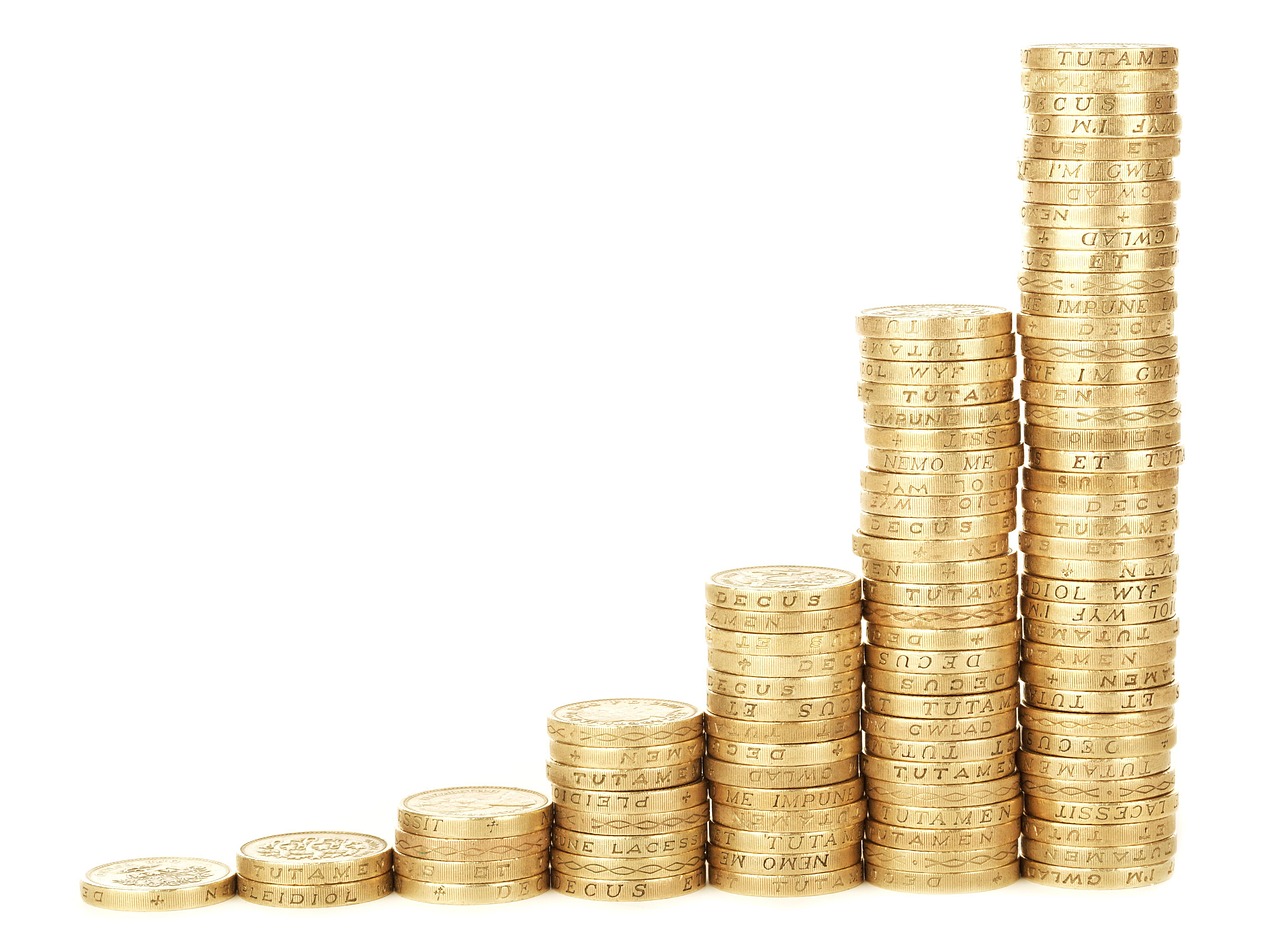
The first result on a Google search page takes 27.6 percent of all clicks. The second takes 15.8 percent. That gap - 43 percent of everything the top slot has - is one of the most stable numbers in marketing. It comes from a Backlinko analysis of four million search results, and it rhymes with every click study published since people started measuring this stuff: first place is not a little better than second. It is close to double.
And yet most marketers treat position like weather. Something that happens to you. Something you influence patiently, with good content and a kind word, never something you simply go and buy at a listed price. I have sat in enough budget meetings to know the pattern: an hour spent debating a color shade in a creative, zero minutes spent asking what the slot above ours costs and what it returns.
The auction you are not allowed to watch
Here is the part almost nobody sits with: nearly every placement you have ever fought for was sold at auction. Google's ad slots run on Ad Rank, your bid times your quality score, and the winner takes the position. Meta runs an auction on every feed you scroll past. Amazon's top-of-search sponsored slots go to the highest bidder in its own auction. The old joke says the best place to hide a body is page two of Google, and the data backs the punchline: under one percent of searchers click anything there. In these markets attention is not a metaphor. It is a ledger, and position is the line item.
If position is a commodity, the honest move is to price it. The same study puts result three at 11.0 percent of clicks and result ten at 2.4 percent. From first to tenth, 91 percent of the traffic evaporates. Same keyword, same intent, same results page; the only variable is where you sit. When one slot is worth nearly half your traffic, "what is position one worth to us this quarter" should be a line item in the budget, not a daydream in a strategy deck.
My opinion, and it is not a popular one at industry conferences: position is rarely priced out loud because opacity is profitable for the seller. A rate card you must book a demo to see. An auction you can enter but never observe. A shrug at renewal time: your mileage may vary. Every one of these makes it easier to hold the price up and harder for the buyer to know what they are paying for. I do not think media sellers are villains. I think markets get honest fast when prices are public, and a lot of ad products are engineered to postpone that particular honesty.
Public prices make better buyers. That is not a slogan, it is arithmetic. If I can see that the slot above mine costs 40 percent more, and I know my click math, I can work out whether the jump pays for itself before committing a dollar. If I cannot see it, I am not buying media. I am buying hope with extra steps.
Work the numbers for yourself. Say a placement brings your site 5,000 visits a month, your pages convert 2 percent of visitors, and a sale is worth 50 dollars to you. That stream is 100 sales, 5,000 dollars a month. If moving up one rank lifts visits by half, the jump is worth 2,500 dollars a month, 30,000 a year. Once you have that number the decision is boring: bid up to it, not a cent past it. The hard part was never the arithmetic. It was that nobody would tell you the price of the next slot so you could run it.
The one board where the price is public
That is why Bid Spotlight is built as an open leaderboard instead of a negotiation. Every rank has a visible price, because the price is the bid. You can look at the board, see what the third position is worth to the person holding it, and see what it would cost you to pass them. Payment runs through Stripe and a rank moves only on a verified completed checkout, so the price on screen is a price someone actually paid. No retro discounts, no mystery winners, no winner at all until money moves.
I will not pretend a niche leaderboard moves traffic like the front page of Google. It does not, and pretending otherwise would make everything above worthless. What it does is make the economics legible at a scale where you can learn them cheaply. Watch the board for a week and you see the 43 percent cliff in miniature: which slots change hands, which buyers defend their rank when someone bids past them, which ones do the math and let it go. That is a marketing education no rate card will ever give you, because rate cards are designed to end that conversation.
So here is the question I would ask any channel before spending with them: what does the slot above mine cost, and what does it return? If they cannot or will not answer, you are not in a market, you are in a magic show. The brands that grow treat position as the commodity it is: they price it, watch it, and buy it when the math clears. If you want to practice on a board where every price is public, check the current rankings and bid on the spot your math says is worth it.